Built inside the culture. Not adjacent to it.
Yegof was founded in Addis Ababa because the work demands it. Understanding how a city speaks — its rhythms, its references, its silences — is not something you acquire remotely.
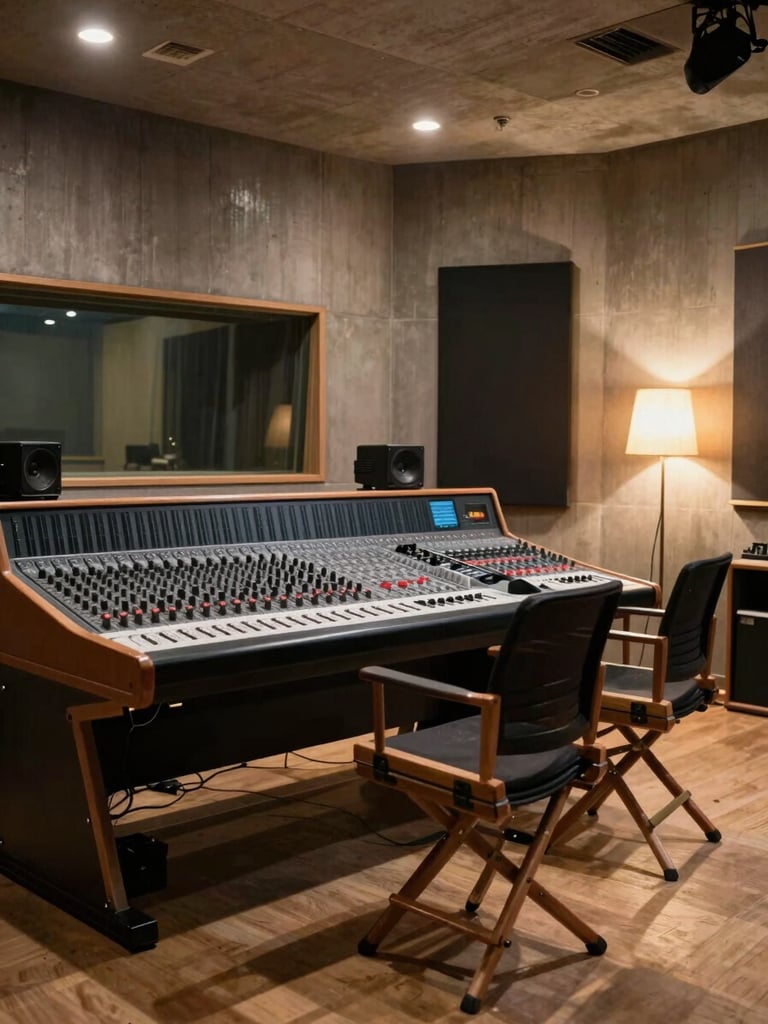
A studio shaped by one specific place
East African audiences notice when the words are right but the cadence is wrong. Yegof was built to close that gap — by people who grew up hearing exactly where the gap lives.
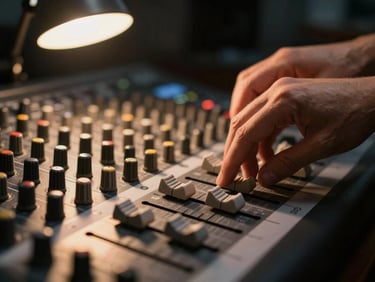
Narrative intent travels first. Words follow.
Voice directors, linguists, and writers occupy the same room at Yegof — not separate pipelines. Every decision about language begins with what the original scene is actually doing to an audience.
The final dubbed or localized version is finished when a native speaker watches it and forgets there was ever another version. That standard is not a metric — it is the only one that matters.
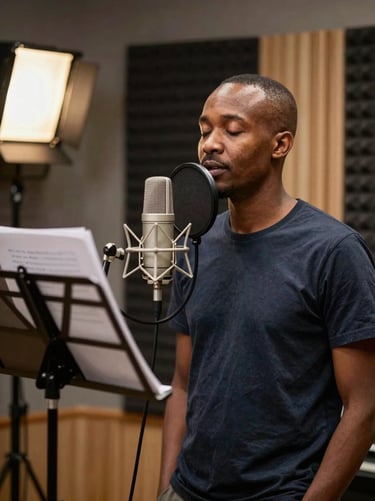
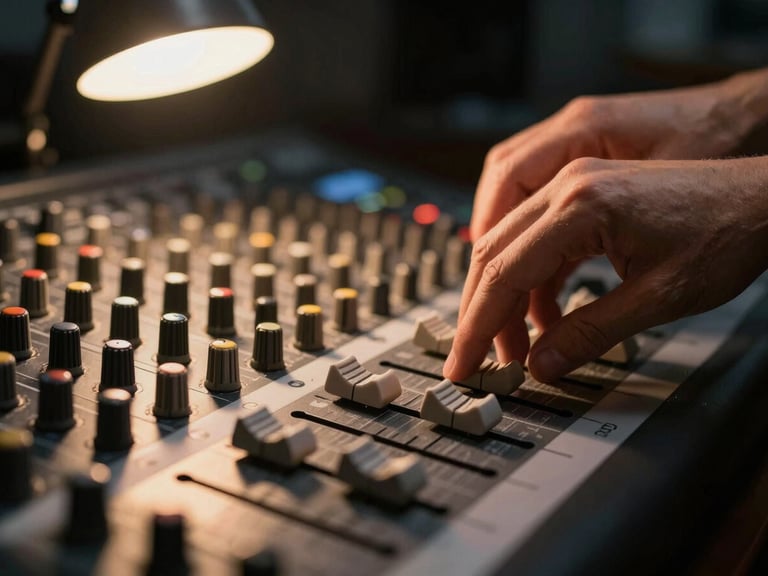
Collaborative craft, one room at a time
At Yegof, no single discipline owns the finished work. Scripts annotated in Amharic and English move between writers, directors, and performers until the performance holds what the original held.